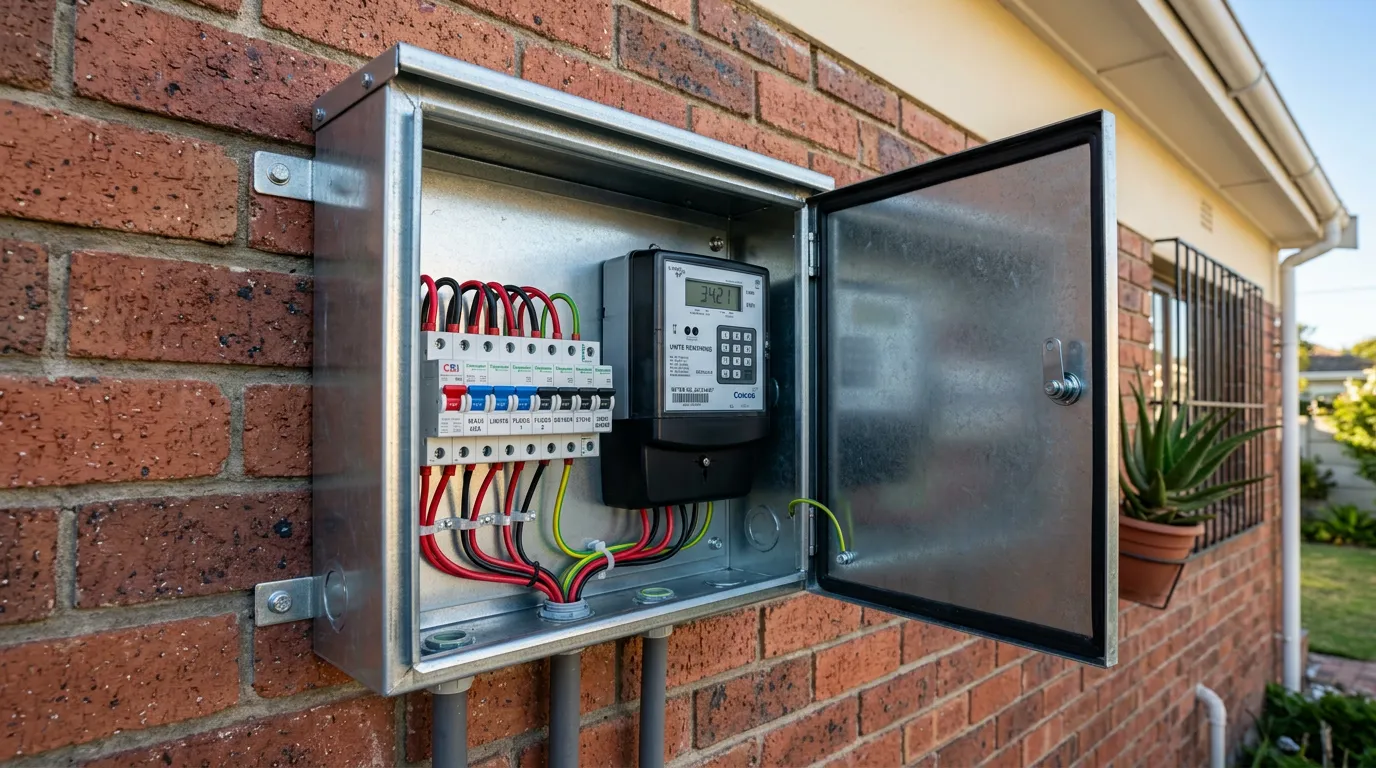
If your property is more "vintage charm" than "new build", your wiring is carrying risks you cannot see, and with thousands of electrical fires reported every year in South Africa, many in the Western Cape alone, the stakes for getting preventive maintenance right in 2026 are high.
Key Takeaways
| Question Short Answer | |
| What is the first step in preventive electrical maintenance for older properties? | Book a full electrical inspection with a qualified electrician who understands older wiring and local regulations. If you are in Cape Town, start with a provider that offers 24-hour support, such as this 24-hour electrician service in Cape Town. |
| How often should I check my old home’s wiring? | Have a formal inspection at least every 5 years, and carry out simple visual checks and testing of safety devices at least once a year. |
| Is it worth upgrading the DB board in 2026? | Yes, especially in homes built before 1960, as many still have low-capacity panels that struggle with modern loads and electrification plans like EV charging. |
| How do I find a reliable electrician for an older property? | Look for references, evidence of work on heritage or older homes, and clear communication. If you are in Cape Town, read guides like how to hire a reliable electrician locals use before you decide. |
| Are flickering lights in an old house normal? | No. Flickering can signal loose connections, overloaded circuits, or aging components that need urgent attention. |
| Can I do any preventive maintenance myself? | Yes, light tasks like testing breakers, checking for hot outlets, and replacing damaged covers are fine, but leave panel, wiring, and code-related work to a licensed professional. |
1. Why Older Properties Need Extra Electrical Care In 2026
Older properties were never designed for the electrical loads we put on them in 2026, from EV chargers to air fryers, which means the original wiring and panels are often working far beyond what they were built for. We see every day how that mismatch quietly builds risk long before anything actually "fails".
Insulation dries out, connections loosen, and DIY alterations from previous owners often sit hidden behind walls. That is why preventive electrical maintenance is not a luxury in older properties, it is everyday risk management.
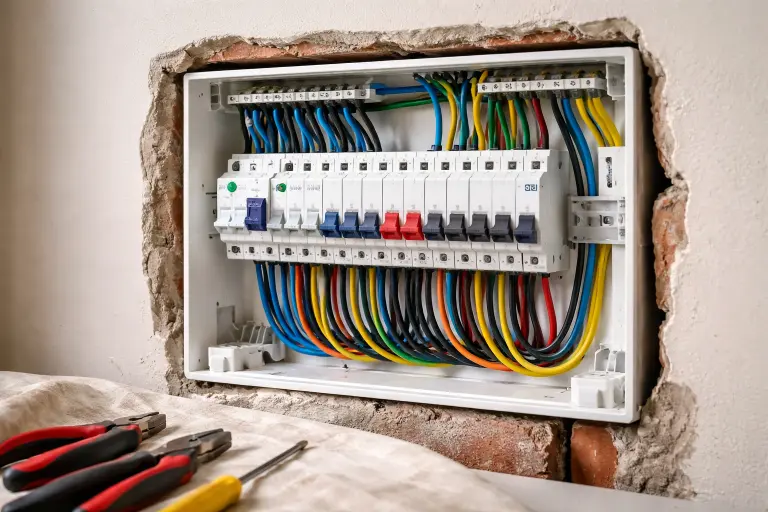
Common age related risks in older homes
Typical issues include undersized DB boards, unearthed sockets, brittle insulation, and outdated fuse boxes that were never meant to support modern appliances. We also find a lot of mixed wiring methods where previous upgrades were only done "halfway".
If your property is 30 years or older, you should assume that at least some of your system needs reviewing. The older the home, the more urgent that review becomes.
How age, usage, and modern tech collide
Every new appliance adds a bit more stress to an already aging system, especially high draw devices like heat pumps, geysers, and pool pumps. Without planned upgrades, this slow build up can lead to overheating at panels and junction points.
We encourage clients to think of their electrical system as infrastructure, not a fixed one time job. Like any infrastructure, it needs a plan, a budget, and a schedule.
2. Schedule Regular Professional Electrical Inspections
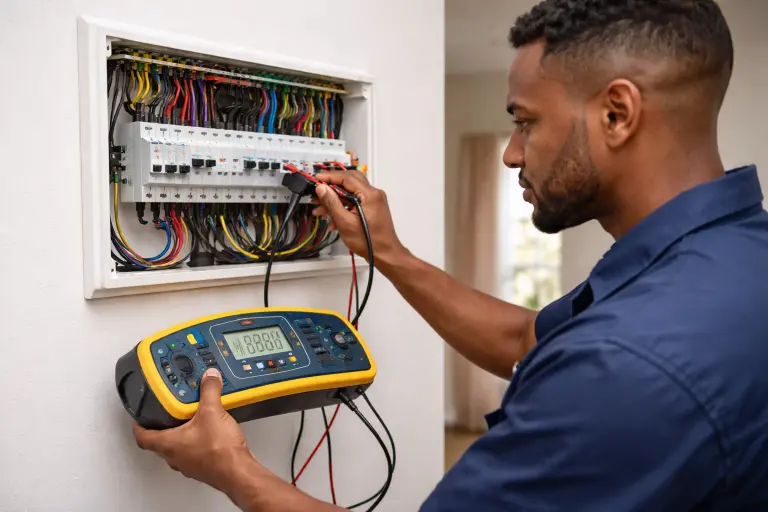
The best preventive step for any older property is a structured inspection schedule with a qualified electrician. We usually recommend a full inspection at least every 5 years, with spot checks if you add new large loads in between.
A good inspection is not just a quick walk around; it is a systematic review of panels, wiring, protective devices, and visible accessories. You should always receive a written report with clear priorities and estimates.
What a thorough inspection should cover
- Load calculations for the main panel and major circuits.
- Condition of main service cable, panel busbars, and breakers or fuses.
- Presence and health of RCDs (earth leakage units) and arc fault protection where appropriate.
- Sampling of wiring condition in accessible areas like roof spaces and ceiling voids.
- Testing of earthing and bonding.
If you are in Cape Town and want someone who knows older building stock, you can look for area specific support, for example services that advertise coverage for suburbs like Stellenbosch and nearby wine route properties.
Simple checks you can do between inspections
You do not need a qualification to notice hot switch plates, buzzing sounds at panels, or breakers that trip again and again. Build a habit of walking your property twice a year, listening, touching gently, and checking for visible damage.
Keep a small log of any odd behaviour, like specific lights flickering or certain outlets feeling warm. Sharing this log with your electrician makes each visit far more effective.
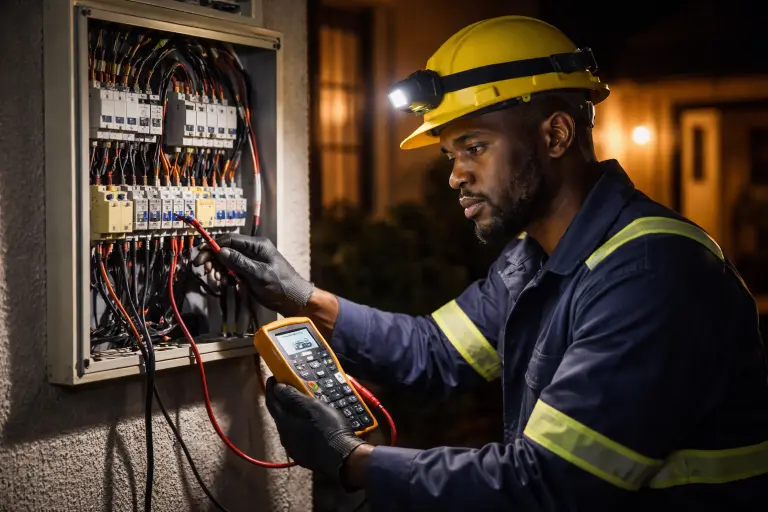
3. Upgrade Old Electrical Panels Before They Fail
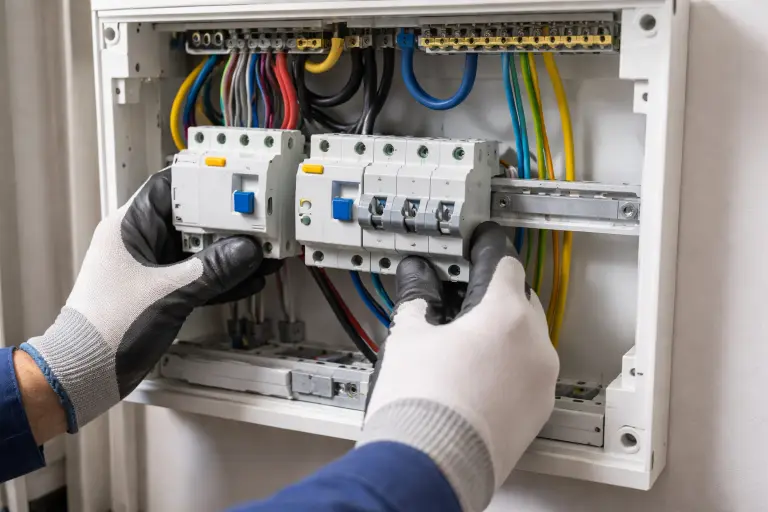
In many older properties, the panel is the weak link, and in 2026 we still see homes trying to run modern loads on outdated low-capacity DB boards. That was fine when a home had one small fridge and a radio, but not when you are adding heat pumps, pool pumps, or EV charging.
Among homes built before 1960, nearly half still have DB boards with outdated ratings and insufficient capacity, which puts real limits on what you can safely add over the next decade.
Signs your panel is past its best
- Frequent tripping when multiple appliances run at once.
- Rust, corrosion, or discolouration inside the panel.
- Fuse boxes instead of modern modern DB boards.
- Panel so full that "tandem" breakers have been squeezed in to add capacity.
In 2026, industry estimates suggest the average cost to upgrade to a DB board is about R25,000, with a typical range of R18,000 to R35,000 depending on complexity. We always advise clients to view this as a long term safety and capacity investment rather than a "grudge" expense.
Planning ahead for electrification
Panel upgrades are often driven by electrification, especially EV chargers, induction cooking, and heat pump systems. If you know those are in your 5 year plan, talk to your electrician now about sizing and layout.
It is usually cheaper and safer to do one well planned panel and service upgrade than a string of piecemeal fixes each time you add a new device.
4. Modern Safety Devices: RCDs, earth leakage units, And arc fault detection devices For Older Homes
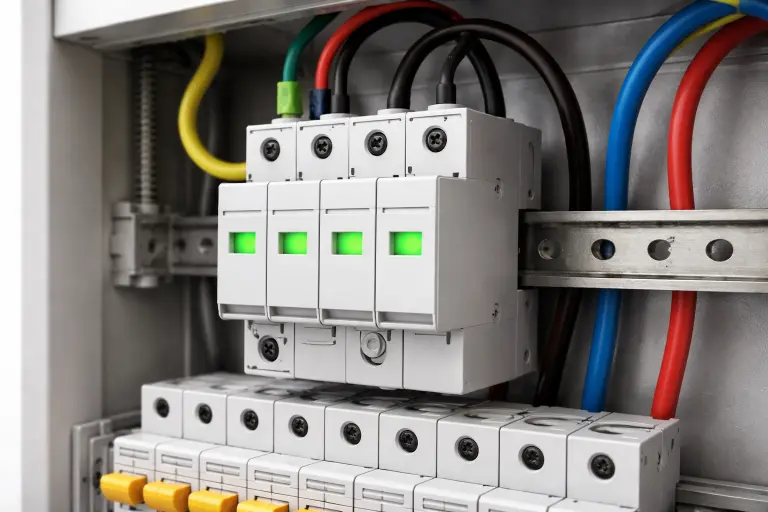
Many older properties still run without modern protective devices, or they only have them in wet areas. In 2026, that is simply not enough, especially when we know how effective modern breakers can be in cutting risk.
A well designed combination of RCDs or earth leakage units and arc fault detection devices can catch faults long before they become fires or electric shocks.
Why arc fault detection devices matter so much in aging wiring
Arc faults are exactly the sort of issue that shows up as wiring ages, insulation cracks, or connections work loose. Arc fault detection devices are designed to spot and cut power to those dangerous arcs before they ignite surrounding material.
Where you should insist on RCDs (earth leakage units)
- Bathrooms, kitchens, and laundries.
- Outdoor circuits, including garden and pool power.
- Garages and storerooms and outbuildings, especially if damp.
If your property has no visible "test" and "reset" buttons on outlets or at the panel, it is a strong sign you are missing this layer of protection. We always recommend combining device upgrades with a wider inspection so you know what you are plugging into.
Discover five essential preventive electrical maintenance steps for older properties. Practical tips to improve safety and reliability of aging electrical systems.
5. Wiring, Cables, And Insulation: Know What Is Hiding In Your Walls
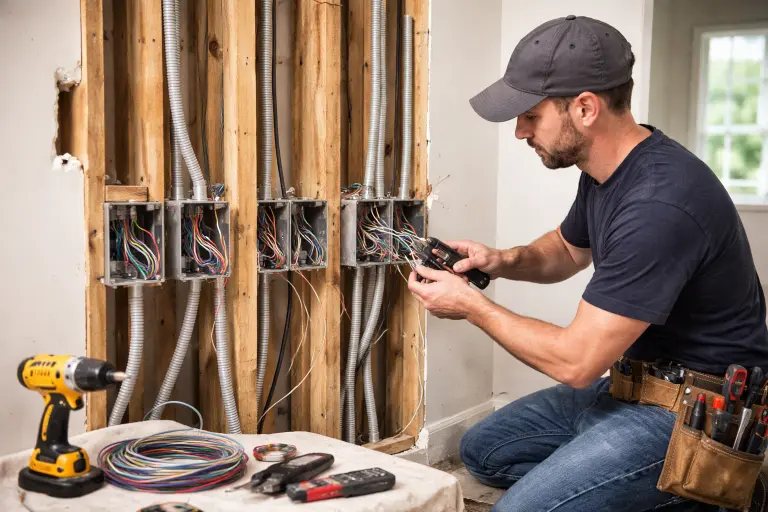
In older properties, the most serious risks are often the ones you cannot see, especially older wiring types and deteriorating insulation. We often find a mix of original cable, partial upgrades, and unapproved repairs all on the same circuit.
The goal of preventive maintenance is not to rip out everything blindly, but to identify the highest risk sections and plan a sensible upgrade path.
Red flags in older wiring
- Cloth or rubber insulation that flakes, cracks, or feels brittle.
- Aluminum branch circuit wiring, particularly where it connects to devices.
- Splices outside proper junction boxes or covered in tape only.
- Wiring running across ceiling joists with visible damage from heat or pests.
If you suspect any of these, ask your electrician for photos and simple explanations. You should always feel comfortable asking "show me" and "what are my options" before you agree to bigger work.
Planning phased rewiring
Rewiring a whole property can feel overwhelming, so we usually break it into sensible phases. That might mean starting with bedrooms and escape routes, then moving to kitchens and outbuildings later.
By linking rewiring phases to other projects, like kitchen or bathroom refurbishments, you can keep costs practical and disruption manageable.
6. Outlets, Switches, And Everyday Safety Checks
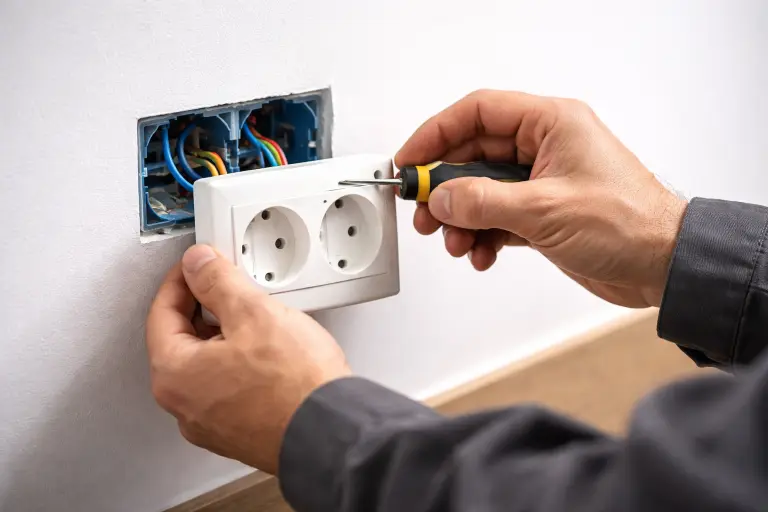
Small fittings like outlets and switches are often ignored, but in older properties they can tell you a lot about the health of the system. Cracked plates, loose switches, or discoloured outlets are warning lights you should not ignore.
These components are also where people tend to do their own "repairs", which can multiply risks if the underlying wiring is already fragile.
Simple checks you can DIY safely
- Run your hand carefully over outlet and switch plates to check for heat.
- Listen for buzzing or crackling when lights are switched on.
- Look for scorch marks, discolouration, or smell of burning plastic.
- Check that plugs fit firmly and do not wobble in outlets.
Grounding and three-pin earthed sockets
Many older properties still have older two-pin sockets without earth connections, or a mixture of earthed and unearthed socket points. Simply changing the front plate to a three-pin earthed socket without adding a real ground does not make it safe.
We recommend asking your electrician to map which outlets are properly earthed and label them clearly, so you know where to plug valuable or sensitive equipment.
7. Lighting Circuits: Preventing Overheating, Flicker, And Fire Risks
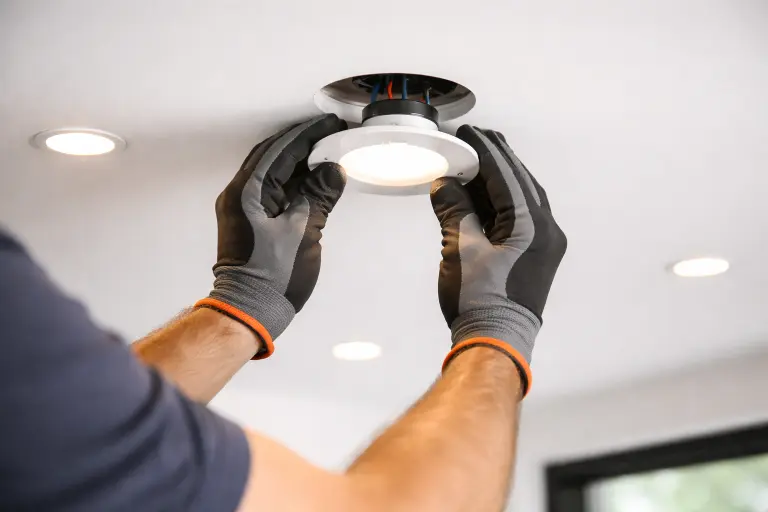
Lighting is one of the most heavily used parts of any electrical system, and older fittings often carry more load and heat than they were designed for. In 2026, we still see properties with original light fixtures and undersized conductors running hot behind ceilings.
Lighting equipment has been linked to thousands of home fires each year, so giving this area some focused attention is worth your time.
Key preventive steps for lighting in older homes
- Replace high wattage incandescent or halogen lamps with low wattage LED equivalents.
- Check that lamp wattage does not exceed fixture ratings.
- Have old recessed or "can" lights checked for insulation contact and ventilation.
- Upgrade outdoor light fittings that have cracked seals or rusted bodies.
Switches, dimmers, and smart controls
Modern dimmers and smart lighting controls can reduce energy use and heat, but they must be compatible with your existing wiring and lamp types. Older mechanical dimmers can also run hot when paired with LED bulbs that they were never designed to control.
Before you buy smart switches or feature rich dimmers, check with your electrician that your circuits, neutrals, and panel can support them safely.
8. Outdoor, Garage, And Pool Electrics In Older Properties
Outbuildings, garages, and pool areas in older homes often sit at the very edge of the original electrical design. Over decades, they tend to collect add ons, extensions, and DIY fixes that no one has reviewed as a whole.
Because these spaces are more exposed to weather and moisture, faults here can be both more likely and more dangerous.
Garages and workshops
- Check for exposed cables, temporary leads used as permanent wiring, and multi plug adapters.
- Ensure that heavy tools have dedicated circuits and are not run through long extension cords.
- Test that RCDs (earth leakage units) protect outlets, especially where metal tools and damp floors are present.
Pools, pumps, and water features
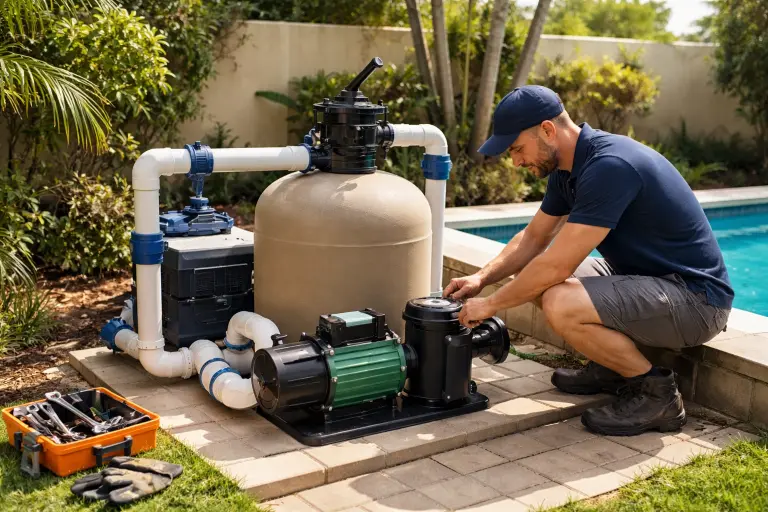
Pool and pump electrics must meet strict safety standards, and in older homes we often see old control boxes and makeshift connections that no longer comply. Water and electricity are a harsh combination, especially where older cables have lost their protective sheathing.
If you suspect your pool or pump system is as old as the property itself, consider having it fully reviewed. For example, service providers who deal with both electrics and pump systems, such as those advertising pool pump repair, are used to finding and resolving these compounded risks.
9. Load Management, Extension Cords, And Everyday Use Habits
Even the best maintained older electrical system can be pushed too far by everyday habits. Overloaded extension leads, portable heaters on thin cords, and multi plug adapters stacked on old outlets are very common in older properties.
Preventive maintenance is not only about hardware upgrades, it is about how you and your tenants or family use the system day to day.
Safer everyday habits in older homes
- Avoid "daisy chaining" extension cords or multi plug adapters.
- Plug heavy draw appliances like heaters and kettles directly into wall outlets.
- Spread appliance use across different circuits instead of one overloaded one.
- Switch off and unplug rarely used high draw devices.
If you find that you rely on extension cords permanently in certain rooms, it usually means you need more outlets or a small rework of that circuit. That small investment is far safer than continuing to add adapters on an already stressed point.
Recognising overload symptoms
Keep a note of what was running when issues occurred, and share that with your electrician. This makes it easier to design small fixes that deliver big improvements.
10. Documentation, Insurance, And Future Proofing Your Older Property
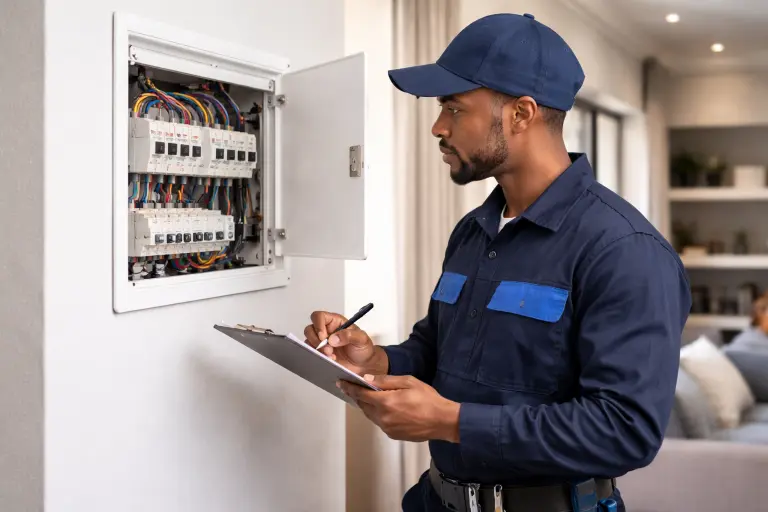
Good preventive electrical maintenance is as much about paperwork as it is about wiring. In 2026, insurers and buyers pay close attention to the age and condition of your electrical installation, especially in older homes.
If you keep your documentation tidy and up to date, you can often improve your negotiating position and, in some cases, your premiums.
What to keep on file
- Inspection reports with dates, findings, and remedial work listed.
- Certificates of compliance or similar documents required in your area.
- Invoices that show panel upgrades, rewiring, or major safety work.
- Photos of panels and key junctions before and after upgrades.
We always encourage clients to store digital copies of these documents as well as paper ones. That way they are easy to share when you refinance, sell, or renew insurance.
Choosing the right electrician for ongoing maintenance
Older properties benefit from an ongoing relationship with an electrician who knows the building, not a different callout on each visit. If you are in or around Cape Town, look for service providers with local pages for your area, such as coverage for the Atlantic Seaboard or nearby suburbs.
When you find someone you trust, ask them to help you build a simple 3 to 5 year maintenance plan, with ballpark costs and priorities. That plan turns "electrical surprises" into scheduled work you can budget for calmly.
11. Regional Considerations: Coastal, Rural, And Urban Older Properties
Not all older properties age in the same way. Coastal homes, rural farms, and inner city terraces all face different environmental pressures that shape their electrical risks.
Preventive maintenance needs to reflect where your building sits, not just how old it is.
Coastal and high moisture environments
Salt air accelerates corrosion on terminals, panels, and outdoor fittings, which is why coastal homes often need more frequent checks. Even indoor gear can suffer if there is persistent damp or condensation.
If you live close to the sea, choose equipment specifically rated for corrosive environments and keep a closer eye on pool, borehole, and outdoor lighting circuits.
Rural and semi rural older properties
Rural properties often combine domestic wiring with pumps, outbuildings, and sometimes older agricultural equipment. Long runs of cable and overhead supplies introduce extra risk in storms and high winds.
Make sure your electrician checks earthing, surge protection, and the condition of any overhead or underground feeds. It is also worth confirming that all outbuildings and pump houses meet current safety standards, not just the main house.
Ready to Protect Your Home?
Book a professional electrical inspection with Abacas Solution. Licensed electricians serving the entire Western Cape.
Book an InspectionCall 067 071 9472Conclusion
Owning an older property in 2026 can be a real pleasure, but electrically it comes with responsibilities you cannot ignore. The key is to move from "fix it when it breaks" to a simple, steady preventive maintenance plan that fits your budget and your future plans for the building.
Start with a thorough inspection, listen carefully to what your electrician finds, and then prioritise panel capacity, protective devices, and the worst sections of aging wiring. From there, small everyday habits and occasional check ups will keep your vintage home as safe electrically as any new build, without losing the character you enjoy.